Details to verify before booking tours by locals Barcelona
Booking a city experience is easy. Booking one that fits your pace, interests and schedule takes a little more care. Tours by locals Barcelona can range from a short walk through a historic quarter to a full day built around food, architecture and neighbourhood stories. Before committing, look beyond the attractive title and check the practical details that shape the day.
The best choice depends on what you want from the city. Some travellers want clear context at major sights. Others prefer quieter streets, local markets and the small details that make a place feel lived in. A good option should match that intention without relying on vague promises. A private tour in Barcelona can be a strong fit when you want flexibility, but the same basic checks still apply.
The route and the pace
Start with the route. A listing may mention famous landmarks, yet the actual walking route might spend most of the day moving between them rather than exploring the areas around them. Look for a clear outline of the neighbourhoods, streets or districts included. If El Born matters to you, check whether it is part of the route or simply a nearby reference point.
Pace matters just as much. City walking can be rewarding, but long stretches on uneven pavements can be tiring in warm weather. Ask yourself whether the day involves steady walking, frequent stops, public transport, or a mix of all three. A slower route with strong local insights may be more enjoyable than a packed itinerary that leaves little time to look around.
Accessibility is another practical point. If anyone in the group needs step-free movement, regular seating, or a shorter walking day, raise that before booking. Do not assume that a central route is easy simply because it looks compact on a map. Historic areas can include cobbles, stairs, narrow pavements and busy crossings.
What the local angle really includes
The phrase local can mean different things. It may point to someone with deep knowledge of the city, a resident perspective, or simply a route that avoids the most obvious tourist stops. Read the description closely. Strong options usually explain the kind of perspective offered, such as architectural heritage, food markets, walking routes, or cultural anecdotes.
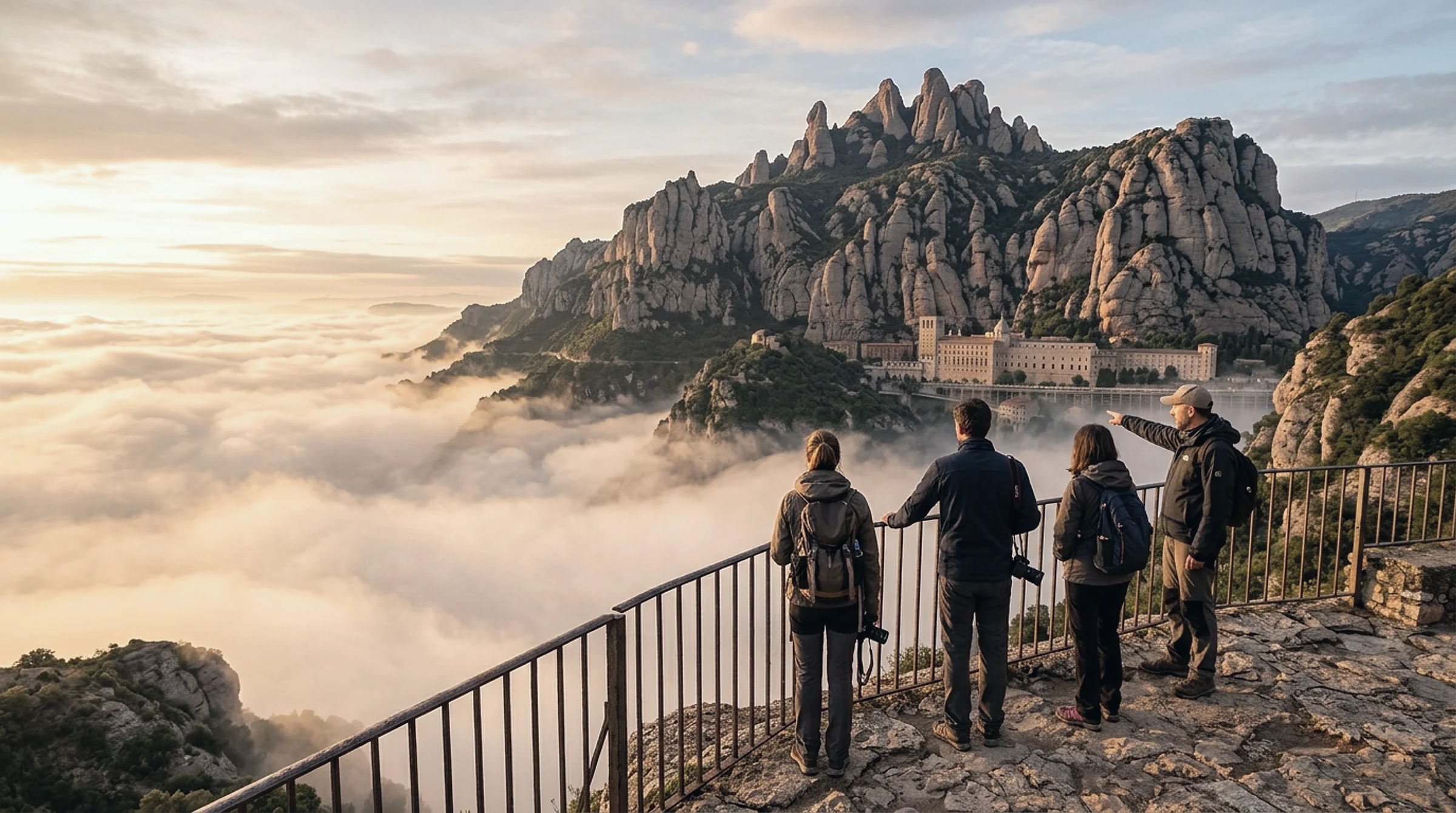
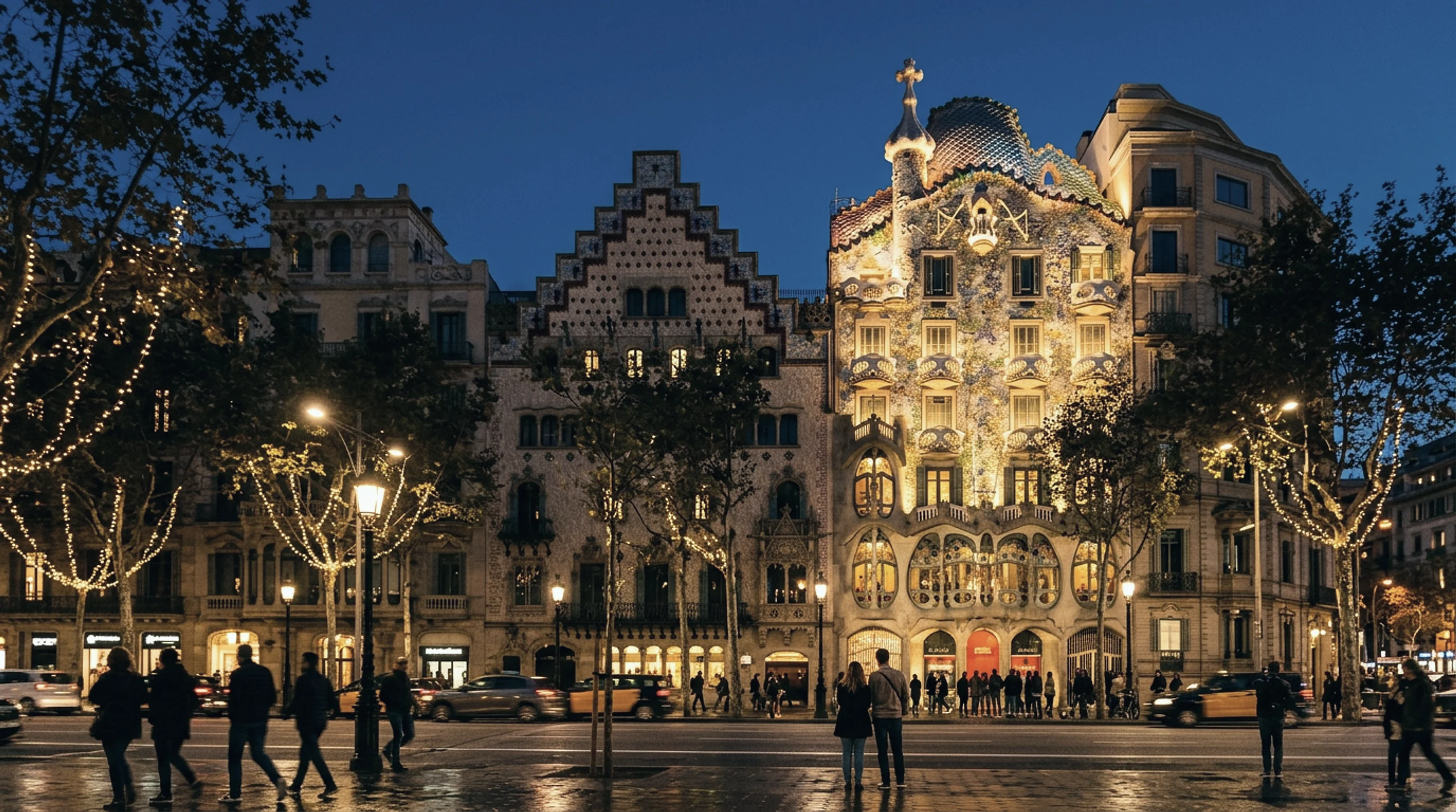
Check whether the experience is built around a theme or just a collection of stops. A themed route tends to feel more coherent. For example, a walk focused on architecture may connect buildings, streets and historical periods in a way that helps the city make sense. A food-focused outing may work best when it includes context, not just tastings.
Hidden gems are worth treating with a little caution. A lesser-known square or workshop can be memorable, but the term is often used loosely. Look for specific details in the description, even when names are not disclosed in full. The more clearly the route is framed, the easier it is to judge whether the experience suits your interests.
When comparing options on privatetourinbarcelona.com, keep the focus on the substance of the experience. The name of a tour can be memorable, but the route, theme and level of detail are what shape the day.
Group size and attention
Group size changes the feel of a tour. A smaller group usually allows more questions, more flexible pauses and a better chance of hearing the commentary. A larger group may feel lively, but it can also make it harder to see details or ask follow-up questions.
If the listing suggests a private format, check what that means in plain terms before booking. Look for whether the experience is described for your group alone, whether the route can be adjusted, and whether there are fixed meeting points. These details help set expectations and avoid surprises on the day.
Children, older travellers and mixed interests can also affect the right format. A route that works well for architecture lovers may feel slow for younger participants unless there are stories, visual stops or short breaks built in. A food-focused day may need a clear plan for dietary needs. Raise those points early rather than trying to rearrange things midway.
Timing, meeting points and weather
Check the start time against your wider plans. Barcelona can be busy, and crossing the city takes time. A tour that begins near your accommodation may be easier than one that requires an early journey across several districts. Leave room before and after the experience, especially if you are meeting family, catching transport, or planning a lunch reservation.
The meeting point should be specific enough to find without confusion. A named square, landmark or station exit is more useful than a broad neighbourhood. Confirm where the walk ends too. An end point away from the start can be convenient if it places you near your next stop, but less helpful if you need to return across town.
Weather can change how a walking day feels. Hot conditions make shade, water breaks and shorter stretches more important. Rain can affect routes through open squares and outdoor markets. If the experience relies heavily on being outside, consider whether there is a sensible alternative or whether another time of day would suit better.
Details that prevent confusion
Before paying, check the practical bits that are easy to overlook. These points do not need to dominate the decision, but they can prevent a good experience from starting poorly.
- Duration: Confirm the full time commitment, including stops. A route listed by distance may still take longer if there are frequent explanations or food stops.
- Language: Make sure the language of the tour matches the group. Mixed-language groups can leave some participants reliant on summaries.
- Inclusions: Check what is part of the experience and what is separate. Entrance arrangements, tastings and transport are common areas of confusion.
- Meeting details: Look for a precise starting point and clear guidance on what happens if the group arrives late.
- Cancellation terms: Read the conditions before booking, especially for travel plans that may shift.
These checks are especially useful when comparing several similar options. Two tours may cover overlapping streets yet feel very different once duration, group size and commentary style are considered.
Knowledge, stories and authenticity
Authentic experiences are not created by avoiding every well-known place. They come from clear context, thoughtful pacing and a route that feels connected. A memorable tour might include a famous landmark, a market, a quiet lane and a story that explains how the city changed over time.
Look for signs that the commentary goes beyond dates and names. Cultural anecdotes can help a place stick in the mind, particularly when they link a building, a street or a neighbourhood to everyday life. At the same time, be wary of descriptions that promise secrets without explaining the angle. Specificity is usually a better sign than mystery.
Food markets can be a useful part of a route when they support the theme. A stop at a busy market works best when there is time to understand what is being sold, how locals use the space, and how the market fits into the surrounding neighbourhood. A quick pass through may feel rushed.
Matching the tour to your reason for visiting
Think about what you want to remember. If this is a first visit, a broader introduction may help you orient yourself before spending the rest of the trip exploring independently. If you know the city well, a narrower theme may be more rewarding. Tours by locals Barcelona can be shaped around architecture, food, neighbourhood life, or a mix of these, so the right fit depends on your curiosity.
It also helps to decide how much structure you want. Some people enjoy a defined route with clear explanations. Others prefer space to wander, pause and follow small details. Neither approach is better in every case. The key is whether the experience leaves room for the kind of attention you enjoy.

On a second visit, a focused walk through a district may offer more than another broad city overview. On a short trip, a compact route with a strong theme may be easier to fit into the schedule. The decision becomes simpler once the purpose is clear.
A final read before you book
Before confirming, reread the description as if you were planning the day from start to finish. Picture the meeting point, the walking, the stops, the breaks and the end point. Check whether the promised angle appears throughout the route rather than only in the opening paragraph.
A sound choice should feel specific without feeling overpromised. It should state what the experience covers, how it is paced and what kind of perspective it offers. When those pieces line up with your interests, the tour is far more likely to feel like time well spent. When they do not, a better-fit option may be worth a little more searching.
privatetourinbarcelona.com can be one place to compare the wording, theme and practical details. Use the same checks elsewhere too, since a clear description and a sensible route matter more than an appealing title. A little care at the booking stage helps the actual day feel easier, calmer and more rewarding.